Have you noticed your smile looking a little dull in photos, even when your teeth feel healthy? Everyday foods, drinks, and natural aging can gradually change the brightness of enamel. With professional teeth whitening in Beachwood, OH, patients can refresh their smile with guidance from a dental team that understands safety, sensitivity, and realistic results.
At Aspire Dental Spa, teeth whitening is part of a thoughtful cosmetic dentistry approach. Before recommending whitening, the team can evaluate your teeth, gums, restorations, and type of discoloration. In addition, they can explain what whitening can and cannot change, so you know what to expect before treatment begins.
Why Teeth Become Stained Over Time
Tooth color can change for many reasons. Coffee, tea, red wine, berries, sauces, and certain spices can leave surface stains over time. Tobacco products can also create stubborn discoloration. Meanwhile, enamel naturally changes with age, and the warmer tone of the tooth layer beneath enamel may become more noticeable.
Some stains are external, which means they sit on or near the tooth surface. These stains often respond well to professional cleaning and whitening. Other stains are internal, which means they are deeper within the tooth structure. Internal discoloration may be related to trauma, medication exposure, developmental factors, or older dental work. These stains may not respond to whitening in the same way, so other cosmetic options may be discussed.
Existing restorations are also important. Whitening products work on natural tooth enamel, but they do not lighten crowns, veneers, fillings, or bonding. Therefore, patients with visible dental work may need a coordinated plan. For example, whitening may be completed first, then older restorations may be replaced to match the new shade if appropriate.
How Professional Teeth Whitening Differs From Store Bought Products
Whitening products are widely available in stores, including strips, rinses, toothpastes, and generic trays. While some can help with mild surface stains, they are not customized to your mouth. This can lead to uneven contact, gum irritation, or disappointing results. In addition, overusing whitening products can increase sensitivity.
Professional teeth whitening is different because it begins with a dental evaluation. The team can check for cavities, gum recession, enamel wear, exposed roots, and cracked restorations before whitening begins. This matters because whitening gel can cause discomfort if it reaches vulnerable areas. By identifying concerns early, the dental team can help make the process safer and more comfortable.
Professional whitening also uses systems designed for more predictable results. Depending on your needs, the dentist may recommend in office whitening, take home trays, or a combination approach. Custom trays help keep whitening gel where it belongs and reduce unnecessary contact with the gums. As a result, many patients appreciate the convenience and control of a dentist guided whitening plan.
Benefits of Professional Teeth Whitening
- Brighter smile appearance: Professional whitening can reduce many common stains and refresh the overall look of natural teeth.
- Dentist guided safety: A dental evaluation helps identify sensitivity risks, cavities, gum concerns, and restorations before treatment.
- More even results: Custom planning helps whitening reach natural teeth more consistently than generic products.
- Personalized shade goals: The team can help you choose a bright yet natural looking result that fits your smile.
- Convenient cosmetic refresh: Whitening can be a simple first step before a special event or broader smile makeover.
- Confidence boost: A cleaner, brighter looking smile can help patients feel more comfortable in photos and conversations.
Who Is a Good Candidate for Teeth Whitening?
Professional teeth whitening may be a good option for patients with healthy teeth and gums who want to lighten natural tooth enamel. It is often helpful for yellow or brown surface stains related to common lifestyle factors. However, the best candidates understand that results vary based on the type of stain, enamel thickness, natural tooth color, and daily habits.
Before whitening, Aspire Dental Spa may recommend a dental cleaning. Removing plaque and tartar can help whitening gel contact the enamel more evenly. If you have untreated cavities, gum disease, or significant sensitivity, those concerns may need to be addressed first. This protects your comfort and supports better results.
Patients with many visible crowns, veneers, or tooth colored fillings should discuss whitening carefully. Because restorations do not whiten, they may appear darker after natural teeth are lightened. In those cases, whitening may still be part of the plan, but it should be coordinated with cosmetic or restorative updates.
What to Expect During the Whitening Process
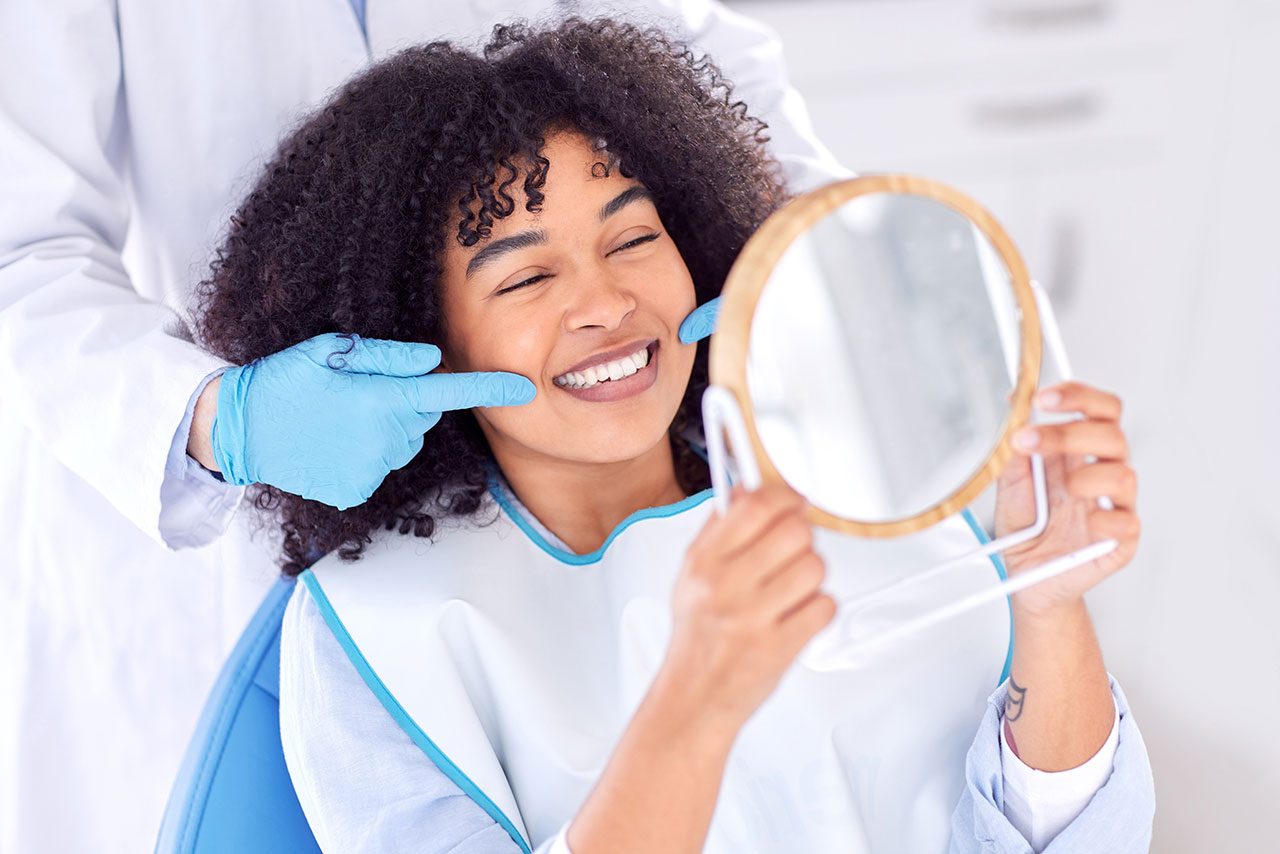
The whitening process begins with a consultation. You can talk about your goals, sensitivity history, and timeline. The dental team will examine your teeth and discuss whether whitening is likely to meet your expectations. If another treatment would be more effective for your type of discoloration, they can explain your options.
If take home whitening trays are recommended, impressions or digital scans may be used to create trays that fit your teeth closely. You will receive instructions for how much gel to use, how long to wear the trays, and how often to whiten. Following these directions is important. More gel or longer wear time does not necessarily mean better results, and it may increase sensitivity.
If an in office option is recommended, the team will protect the gums and apply professional whitening material in a controlled setting. Some patients choose this approach because it can create noticeable brightness efficiently. Others prefer take home trays because they like gradual whitening and the ability to touch up later. The right choice depends on your goals, schedule, and sensitivity risk.
How to Manage Sensitivity
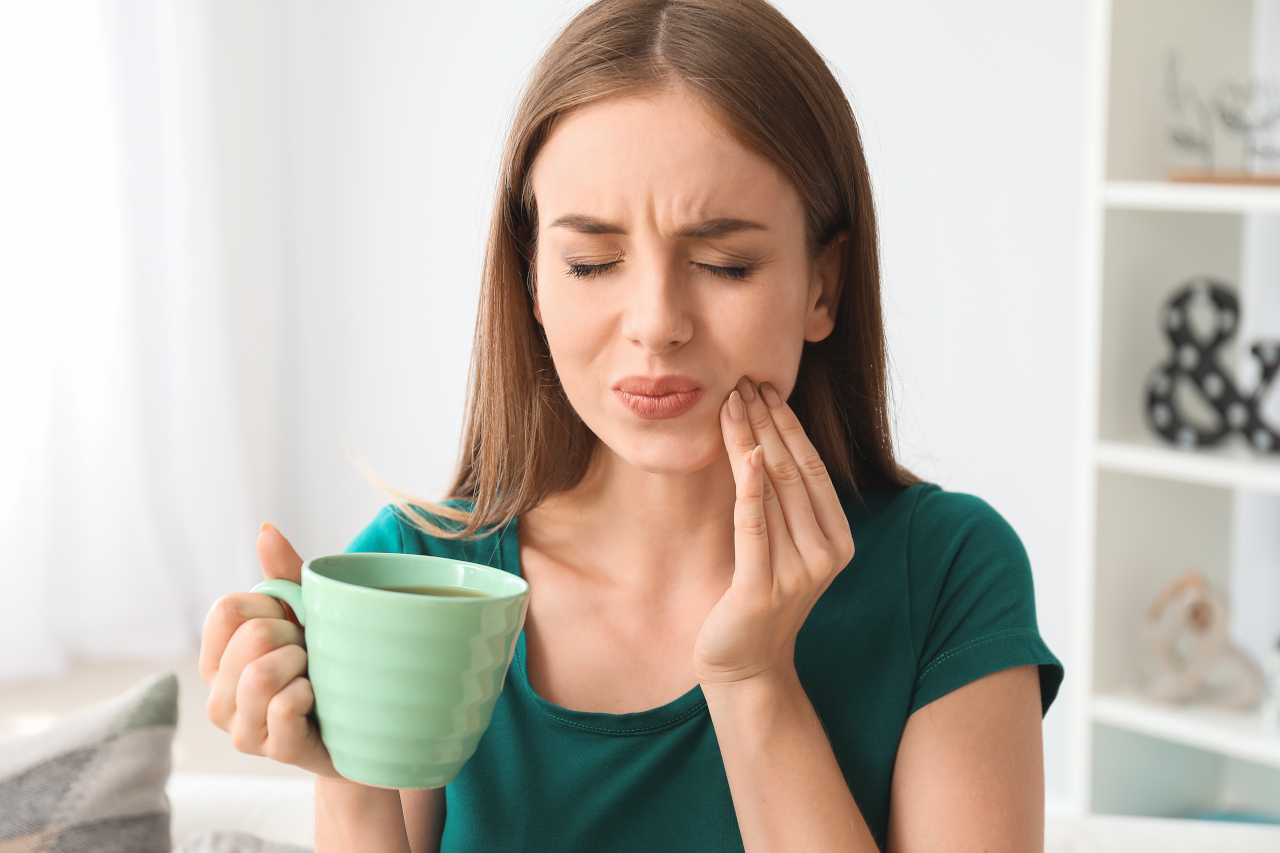
Temporary sensitivity is one of the most common concerns with teeth whitening. It may feel like a short zing when teeth are exposed to cold air, cold drinks, or certain foods. This happens because whitening can temporarily affect how teeth respond to temperature. For many patients, sensitivity fades after treatment is complete.
To reduce sensitivity, the dental team may recommend spacing out whitening sessions, using a desensitizing toothpaste, adjusting gel strength, or shortening wear time. In addition, avoiding very cold, acidic, or highly pigmented foods right after whitening may help. If sensitivity becomes sharp, persistent, or one sided, call the office so the team can evaluate the cause.
It is also important not to whiten over dental problems. Cavities, cracks, leaking restorations, and exposed roots can make whitening uncomfortable. That is why professional guidance is valuable. The goal is not only a brighter smile, but also a safe and comfortable experience.
Keeping Your Smile Bright After Whitening
Teeth whitening results are not permanent because teeth continue to encounter stain causing foods and drinks. However, good habits can help maintain brightness. Brush and floss consistently, keep routine dental cleanings, and rinse with water after coffee, tea, wine, or dark sauces. Using a straw for certain beverages may also reduce contact with front teeth.
Touch up whitening may be recommended from time to time, especially if you use custom trays. However, whitening should be done as directed. Over whitening can make teeth look unnatural or increase sensitivity. Aspire Dental Spa can help you choose a maintenance schedule that keeps your smile fresh without overdoing it.
For patients planning other cosmetic dentistry, whitening is often completed first. This allows restorations such as bonding, veneers, or crowns to be matched to the brighter shade. Therefore, if you are considering a larger smile enhancement, mention it before starting whitening.
A Brighter Smile Can Still Look Like You
Professional teeth whitening can be a simple, effective way to refresh your smile while keeping the result natural. With dental guidance, patients can avoid guesswork, reduce sensitivity risks, and choose a shade goal that complements their features.
To Book an Appointment, contact Aspire Dental Spa in Beachwood, OH at (216) 342-4388 or visit the Contact Us page to ask about professional teeth whitening.