What happens after dental implant treatment, and how can you give your new tooth replacement the best opportunity to succeed? Although placing an implant is an important step toward restoring your smile, the days, weeks, and months afterward also play an essential role in the healing process. Understanding proper aftercare can help you feel more prepared and recognize when professional guidance is needed.
Patients exploring dental implants in Beachwood, OH often have questions about eating, brushing, recovery time, and long-term maintenance. Fortunately, most daily care recommendations are straightforward. Following personalized instructions and maintaining consistent oral hygiene can help support healing and protect the tissues surrounding your restoration.
At Aspire Dental Spa, our team believes patients should understand every stage of their treatment, including what happens after implant placement. While individual recovery experiences vary, learning about dental implant aftercare can make the process easier to navigate.
Why Dental Implant Aftercare Matters
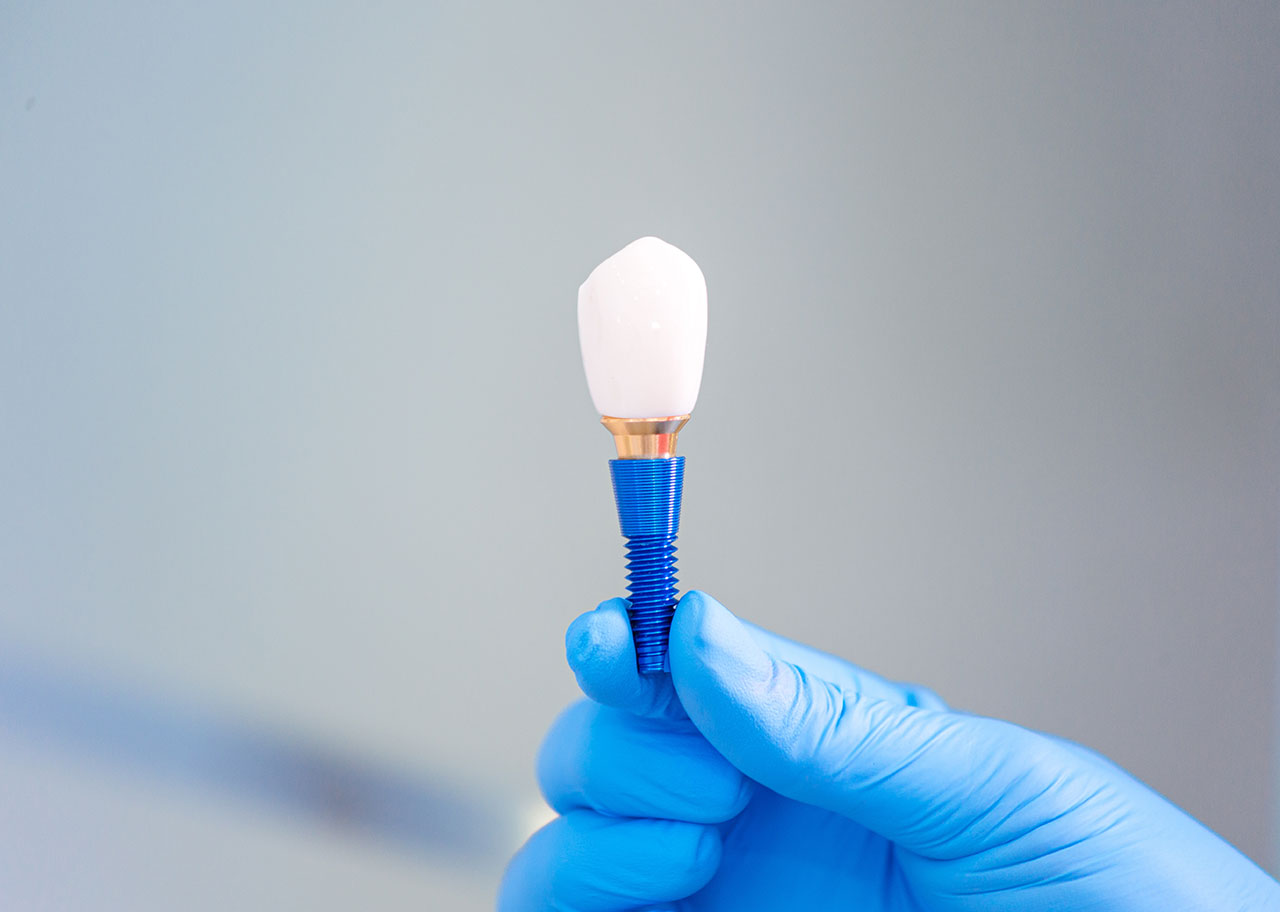
A dental implant is an artificial tooth root, typically made from titanium, that is placed in the jawbone. Once the surrounding bone heals and attaches to the implant surface, the implant can provide support for a crown, bridge, or other restoration.
This healing process is called osseointegration. Unlike a removable appliance, an implant depends on a stable connection with the jawbone and healthy surrounding tissues. Consequently, the way you care for your mouth during recovery can affect the treatment environment.
Proper aftercare helps protect the surgical area, reduce unnecessary irritation, and limit the accumulation of bacteria around the healing tissues. Additionally, long-term maintenance supports the health of the gums and bone that hold the implant in place.
However, successful healing depends on more than cleaning alone. Existing medical conditions, smoking, medications, bone quality, and individual healing responses can also influence outcomes. For this reason, your dentist’s specific postoperative instructions always take priority over general recommendations.
What to Expect During the First 24 Hours
The first day after implant placement is particularly important because your body begins its natural healing response immediately. Mild bleeding or oozing, swelling, and tenderness may occur after surgery. These symptoms typically improve gradually, although recovery differs depending on the procedure.
Your dental team may recommend resting, avoiding strenuous exercise, and applying a cold compress to the outside of your face for short intervals. Cold therapy can help manage swelling when used as directed.
Meanwhile, avoid disturbing the surgical site with your fingers or tongue. Repeated touching may irritate healing tissues or interfere with the formation of a protective blood clot.
Patients should also avoid vigorous rinsing, forceful spitting, and drinking through straws immediately after surgery when instructed to do so. These actions can create pressure changes that may disturb the treatment area.
If medications are prescribed, follow the provided instructions carefully. Do not change medication doses or combine pain-relieving products without considering your medical history and professional guidance.
Eating After Dental Implant Surgery
Food choices can influence comfort during the early healing period. Because the surgical area may feel tender, softer foods are usually easier to manage than crunchy, chewy, or hard foods.
Depending on your instructions, suitable early meal options may include:
- Plain yogurt and other smooth dairy products
- Scrambled eggs that have cooled to a comfortable temperature
- Mashed potatoes or well-cooked vegetables
- Soft oatmeal or porridge
- Applesauce and soft fruits
- Lukewarm soups without hard ingredients
- Soft pasta and tender protein sources as healing progresses
During the first several days, avoid chewing directly over the surgical site when possible. Foods that are extremely hot, sharp, sticky, or difficult to chew can increase discomfort and may irritate healing tissues.
Additionally, staying hydrated supports general recovery. Water is an appropriate choice, while alcohol should be avoided when your surgeon advises against it or when it may interact with medications.
As tenderness improves, you can gradually return to a wider variety of foods according to your dentist’s recommendations. However, do not assume that feeling comfortable means the implant has fully integrated with the bone.
Benefits of Proper Dental Implant Aftercare
Following recommended dental implant aftercare instructions provides important advantages during recovery and throughout the life of your restoration.
- Supports tissue healing: Gentle cleaning and appropriate activity restrictions help protect the surgical area while the body repairs itself.
- Reduces unnecessary irritation: Choosing suitable foods and avoiding excessive pressure can improve comfort during early recovery.
- Helps control bacterial buildup: Effective oral hygiene reduces plaque accumulation around implants and neighboring teeth.
- Protects surrounding gum health: Consistent maintenance helps reduce the risk of inflammatory problems around the implant.
- Encourages early problem detection: Follow-up appointments allow the dental team to monitor healing and investigate unexpected symptoms.
- Supports long-term function: Maintaining healthy supporting tissues helps the implant restoration continue functioning as intended.
- Promotes informed daily habits: Understanding proper care makes it easier to avoid preventable damage and recognize changes that require attention.
Although excellent aftercare cannot guarantee that every implant will succeed, it is an important part of responsible implant treatment.
How to Brush and Floss Around a Healing Implant
Good oral hygiene is essential after dental implant surgery, but the treatment area may require a different cleaning approach during the first stages of healing.
Initially, your dental team may recommend avoiding direct brushing over the surgical site for a short period while continuing to clean other teeth normally. As the tissues recover, gentle cleaning around the area can be introduced according to your instructions.
A soft-bristled toothbrush is generally helpful because it allows careful plaque removal without unnecessary pressure. However, avoid scrubbing directly against tender tissue or stitches.
Your dentist may also recommend a particular mouth rinse or cleaning technique. Use these products only as directed, especially during the early postoperative period.
Once the implant restoration is fully in place, daily cleaning remains important. Depending on the restoration design, your dental team may recommend dental floss, interdental brushes, water flossers, or other specialized tools.
These products are not interchangeable for every patient. For example, cleaning underneath an implant-supported bridge may require different techniques than caring for a single implant crown.
Regular professional dental hygiene appointments also help monitor the surrounding tissues and remove deposits that cannot be effectively managed at home.
How Long Does Dental Implant Healing Take?
Dental implant recovery occurs in stages. Soft tissue healing may take several weeks, while the process of integrating the implant with the jawbone often requires several months.
The exact timeline depends on factors such as implant location, bone quality, whether bone grafting was performed, and overall health. Additionally, a patient receiving a single implant may follow a different treatment schedule than someone receiving multiple implants or a full-arch restoration.
Some patients receive a temporary restoration during treatment, while others wait until the implant has reached the required level of stability. Your dentist will explain which approach is appropriate.
Importantly, the implant should not be exposed to excessive chewing forces before your treating clinician considers it ready. Even when tenderness has disappeared, bone healing may still be underway beneath the surface.
Therefore, attending all recommended follow-up visits is essential. These appointments provide opportunities to evaluate tissue health, monitor stability, and decide when the next treatment stage can safely begin.
Warning Signs That Require a Call to Your Dentist
Some swelling, tenderness, and minor bleeding can be expected following implant surgery. However, symptoms that become worse instead of gradually improving should not be ignored.
Contact your dental team if you experience:
- Increasing swelling or pain after the initial recovery period
- Persistent bleeding that does not respond to your postoperative instructions
- Fever, unusual drainage, or a persistent unpleasant taste
- A feeling that the implant or restoration is moving
- New difficulty biting or chewing around the treated area
- Gum redness, tenderness, or bleeding that continues or worsens
Some of these symptoms may indicate infection, excessive irritation, or another complication requiring evaluation. Additionally, severe facial swelling accompanied by difficulty breathing or swallowing requires immediate emergency medical care.
Prompt assessment is important because a developing problem may be easier to manage when detected early.
Long-Term Maintenance for Dental Implants
Once healing is complete and your final restoration is in place, caring for your implant becomes part of your regular dental routine. Implants cannot develop tooth decay, but the gums and bone around them can still develop inflammation or disease.
Peri-implant mucositis refers to inflammation affecting the soft tissues around an implant. If problems progress and supporting bone is affected, a more serious condition called peri-implantitis can develop.
Fortunately, consistent plaque control and professional monitoring help support implant health. Brush carefully twice daily using a suitable toothbrush and follow your dentist’s instructions for cleaning around the restoration.
Additionally, avoid using your implant-supported teeth to open packages, crack hard objects, or perform tasks that could damage natural teeth or dental restorations.
If you grind or clench your teeth, discuss that habit with your dentist. Excessive forces may damage implant restorations, and some patients benefit from a professionally designed nightguard.
Routine evaluations also allow your dental team to examine the crown or prosthesis, assess the bite, and recommend adjustments when necessary.
Can Lifestyle Habits Affect Implant Longevity?
Everyday habits influence oral health, including the health of dental implants. Tobacco use, for example, is associated with impaired healing and a higher risk of implant complications. Patients who smoke should discuss these risks with their dental team before and after surgery.
Likewise, uncontrolled diabetes and certain medical conditions may influence healing and infection risk. Sharing an accurate medical history helps your dentist coordinate treatment safely.
Nutrition, oral hygiene consistency, and regular dental appointments also contribute to the overall condition of the mouth. Although no single habit guarantees implant longevity, a combination of healthy routines creates a better environment for long-term maintenance.
Patients who have multiple missing teeth may also benefit from reviewing their overall restorative dentistry plan to understand how implants and other restorations work together.
Frequently Asked Questions About Dental Implant Aftercare
How soon can I eat after dental implant surgery?
Eating instructions depend on the procedure and anesthesia used. Your dentist may recommend waiting until numbness has resolved and starting with soft foods that do not place pressure on the surgical site.
How long should I avoid hard foods after implant placement?
The appropriate timeframe varies by treatment. Avoid chewing hard foods near the implant until your dentist confirms that doing so is safe.
Can dental implants develop gum disease?
Yes. Although an implant itself cannot get a cavity, the surrounding gums and bone can develop inflammatory conditions. Consistent home care and professional maintenance are essential.
How often should dental implants be checked?
Implants should be evaluated during regular dental visits. Your dentist will recommend a recall schedule based on your gum health, restoration design, and individual risk factors.
Protect Your Investment in a Healthier Smile
Dental implants can provide a stable foundation for replacing missing teeth, but long-term success depends on maintaining the tissues that support them. From following early healing instructions to attending routine dental appointments, each stage of care contributes to protecting your restored smile.
If you have questions about dental implant recovery or are considering implant treatment, contact Aspire Dental Spa in Beachwood, OH. Call us today at (216) 342-4388 to schedule a consultation and learn more about personalized dental implant care.