What makes a smile look naturally balanced? It is not necessarily having perfectly identical teeth or achieving the brightest shade possible. Instead, a natural-looking smile often depends on subtle details, including tooth proportions, color, shape, and how the teeth complement the surrounding facial features.
For patients interested in making thoughtful changes to their smile, cosmetic dentistry in Beachwood, OH offers several personalized options. Among these treatments, dental veneers may help improve the appearance of certain chipped, discolored, uneven, or irregularly shaped teeth. However, the best results begin with understanding what veneers can achieve and whether they are appropriate for your individual dental health.
At Aspire Dental Spa, our team emphasizes individualized cosmetic treatment planning. Rather than approaching every smile with the same design, the goal is to understand your preferences and recommend solutions that complement your natural features.
What Are Dental Veneers?
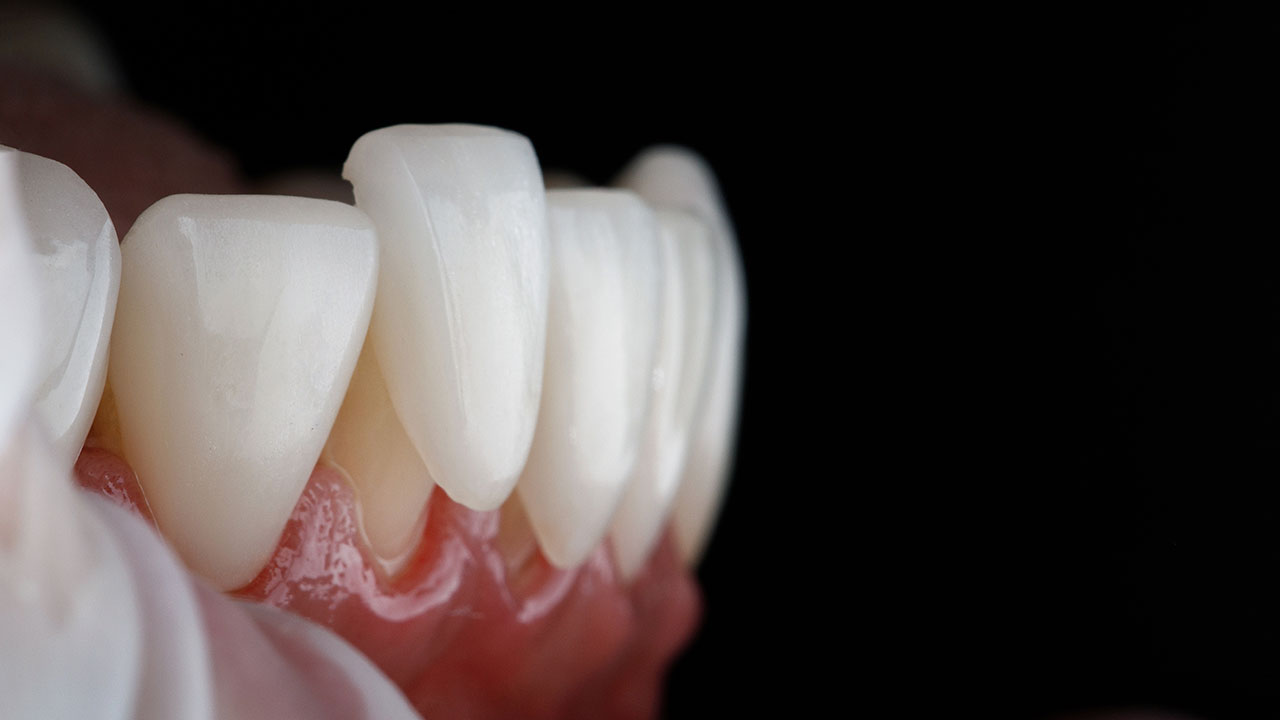
Dental veneers are thin restorations placed over the visible front surfaces of teeth to change their appearance. They are commonly made from porcelain or tooth-colored composite resin, depending on the treatment approach.
Porcelain veneers are fabricated to match the intended tooth shape and shade. They are bonded to prepared teeth using dental materials designed to create a secure attachment. Composite veneers, meanwhile, may be shaped directly onto teeth or fabricated separately, depending on the technique.
Although both options can improve certain cosmetic concerns, they differ in durability, stain resistance, repairability, cost, and the amount of tooth preparation involved.
For this reason, a consultation is essential before choosing a veneer material. Your dentist will consider the condition of the enamel, your bite, your treatment goals, and how much long-term maintenance may be required.
What Cosmetic Concerns Can Dental Veneers Address?
Dental veneers are often associated with dramatic smile transformations. However, they can also be used to create smaller refinements that preserve the overall character of a person’s smile.
Depending on the clinical situation, veneers may help address:
- Persistent discoloration: Certain stains or differences in tooth color that do not respond adequately to whitening.
- Minor chips: Small visible areas of enamel damage that affect the shape of a front tooth.
- Uneven tooth proportions: Teeth that appear shorter, narrower, or less balanced than neighboring teeth.
- Small spaces: Selected gaps that may be cosmetically reduced through careful restoration planning.
- Irregular edges: Worn or uneven biting edges that affect the overall appearance of the smile.
- Shape differences: Teeth with developmental variations or proportions that patients would prefer to adjust.
Nevertheless, veneers do not correct every underlying dental concern. Significant crowding, active decay, untreated gum disease, or substantial bite problems may require other treatment before cosmetic restorations are considered.
How Dentists Design Natural-Looking Veneers
Creating natural-looking dental veneers involves more than selecting a tooth shade from a chart. A thoughtful smile design evaluates several characteristics that influence how teeth appear together.
Tooth Shape and Proportion
Natural teeth are not perfectly identical. Instead, each tooth has subtle differences in shape, contour, and position. A well-designed veneer should fit appropriately with the surrounding teeth rather than appear noticeably oversized or artificial.
Your dentist may consider the width of your smile, the length of neighboring teeth, and the way your upper and lower teeth meet. These details help create restorations that look balanced from different angles.
Color and Translucency
Tooth color is another important factor. Natural enamel has varying degrees of translucency, meaning light interacts with different parts of the tooth in different ways.
Consequently, choosing an extremely bright or opaque veneer does not always produce the most natural appearance. Patients can discuss whether they prefer a shade that closely matches their existing teeth or a coordinated change across several visible teeth.
Gumline and Smile Balance
Healthy gum tissue forms the visual frame around the teeth. Therefore, the dentist should consider gumline position, tooth exposure, and overall periodontal health when planning cosmetic changes.
If gum inflammation or another oral health concern is present, treating that condition first may help produce a healthier foundation for the cosmetic work.
Benefits of Dental Veneers
For appropriately selected patients, dental veneers can provide several cosmetic and practical advantages. Understanding these possibilities can help you decide whether veneers align with your expectations.
- Customized appearance: Veneers can be designed around individual preferences for tooth shape, size, and color.
- Natural-looking results: Appropriate materials and careful design can create restorations that blend with neighboring teeth.
- Improvement of multiple concerns: Veneers may address selected discoloration, chips, minor spacing, and shape differences within one treatment plan.
- Stain resistance: Porcelain veneers generally resist common surface stains better than natural enamel or composite resin, although surrounding teeth may still discolor.
- Conservative possibilities: Certain veneer cases may require less tooth reduction than full dental crowns, depending on the clinical situation.
- Long-term cosmetic enhancement: With appropriate care, quality restorations may remain functional and attractive for many years.
- Personalized treatment scope: Some patients may need only one veneer, while others may benefit from changes to several visible teeth.
However, veneers are not maintenance-free or permanent in the sense of lasting forever. They may eventually require repair or replacement, and tooth preparation can be irreversible.
What Happens During the Dental Veneer Process?
Veneer treatment typically begins with a cosmetic consultation. During this appointment, your dentist examines your teeth and gums, asks about your preferences, and evaluates whether veneers are a suitable option.
If veneers are recommended, the process may include several stages.
- Smile evaluation: Your dentist assesses tooth structure, gum health, bite relationships, and cosmetic goals.
- Treatment planning: Tooth proportions, desired shade, and restoration materials are selected based on your needs.
- Tooth preparation: When necessary, a controlled amount of enamel is removed to provide space for the veneer.
- Impressions or digital scans: Records of the prepared teeth help create restorations that fit accurately.
- Temporary restorations: Some patients receive temporary veneers while their final porcelain restorations are being fabricated.
- Veneer placement: The finished restorations are checked for appearance, fit, and bite before being bonded into place.
- Follow-up care: Your dentist provides instructions for maintaining the veneers and may recommend a follow-up evaluation.
The exact process varies depending on the material and number of veneers. Composite restorations may sometimes be completed more quickly than laboratory-fabricated porcelain veneers.
Porcelain Veneers vs. Composite Veneers
Choosing between porcelain and composite veneers involves balancing several practical considerations. Neither material is automatically the correct choice for every patient.
Porcelain veneers are often selected for their lifelike appearance, color stability, and resistance to certain types of staining. However, they generally involve higher initial costs and may require laboratory fabrication.
Composite veneers are made from tooth-colored resin material and can sometimes be repaired more easily if minor damage occurs. Nevertheless, composite may be more susceptible to surface staining and wear over time.
Additionally, the amount of preparation required depends on the desired change, existing tooth structure, and restoration design. Patients should not assume that every veneer procedure requires no drilling or that all veneers preserve the same amount of enamel.
During your consultation, ask your dentist to explain the advantages, limitations, expected maintenance, and alternatives associated with each material.
Are Veneers Better Than Teeth Whitening or Clear Aligners?
Dental veneers are one of several treatments that can improve a smile’s appearance. However, the most appropriate option depends on what you want to change.
If tooth color is your main concern and the enamel is otherwise healthy, professional teeth whitening may be a more conservative starting point.
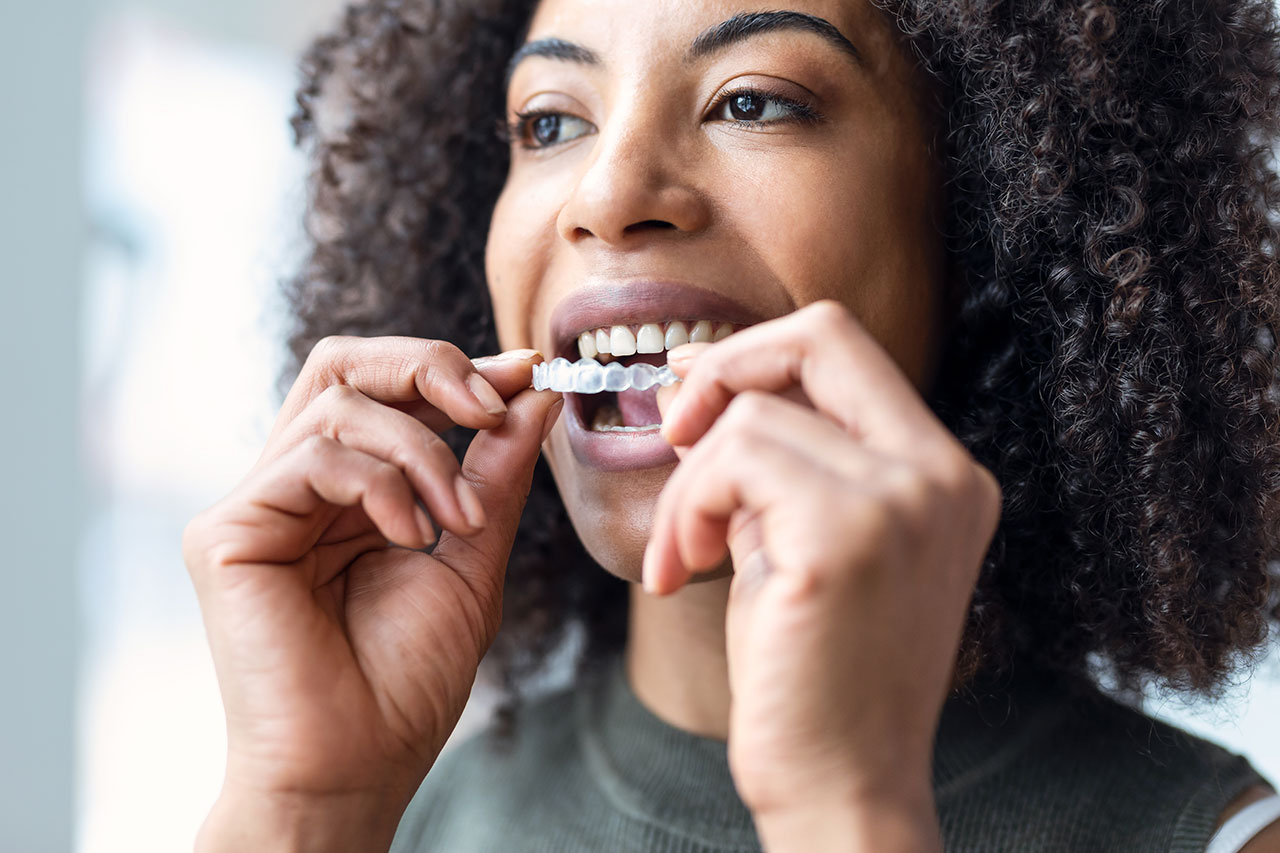
If crowded teeth, gaps, or bite alignment are the primary issues, clear aligner treatment may help correct the underlying tooth positions without covering the visible enamel surfaces with restorations.
On the other hand, veneers may be worth discussing when the desired improvement involves tooth shape, persistent intrinsic discoloration, or several cosmetic concerns at the same time.
In some situations, a coordinated treatment plan may combine different options. For example, a dentist may recommend orthodontic treatment before considering veneers, or whitening before matching a restoration to surrounding teeth.
The guiding principle is to choose an approach that achieves appropriate results while preserving healthy tooth structure whenever possible.
How to Care for Dental Veneers
Dental veneers require consistent oral hygiene, just like natural teeth. Although the restoration material does not decay, the underlying tooth and the surrounding gum tissue still need protection.
Brush twice daily with a soft-bristled toothbrush and a toothpaste recommended by your dentist. Additionally, clean between your teeth every day to reduce plaque accumulation near the veneer margins.
Avoid biting hard objects such as ice, pens, or packaging materials. These habits may cause chips or fractures, particularly when excessive pressure is concentrated on a restoration.
If you clench or grind your teeth during sleep, your dentist may recommend a protective nightguard. Excessive grinding forces can increase the risk of damage to veneers and natural teeth.
Routine dental checkups are equally important. During these appointments, the dental team can evaluate veneer edges, assess gum health, monitor your bite, and identify changes before they become larger concerns.
Although veneers can remain attractive for many years, their lifespan varies. Material selection, bite forces, oral hygiene, and daily habits all influence long-term outcomes.
Who Is a Good Candidate for Dental Veneers?
Good veneer candidates generally have healthy gums, adequate tooth structure, and realistic expectations about cosmetic treatment. However, eligibility depends on the condition of individual teeth rather than appearance alone.
Patients with active decay or periodontal disease should usually have those concerns addressed first. Likewise, patients with severe tooth wear, significant grinding, or insufficient enamel may require alternative restorative approaches.
In certain situations, restorative dentistry may be more appropriate than a cosmetic veneer. A tooth with substantial structural damage, for example, might require a crown or another restoration for adequate protection.
Most importantly, veneer planning should be collaborative. Your dentist can explain which changes are achievable and whether another treatment would better support your long-term oral health.
Frequently Asked Questions About Dental Veneers
Do dental veneers look like natural teeth?
Well-designed veneers can look very natural. Their appearance depends on material selection, tooth proportions, shade, translucency, and how the restorations complement surrounding teeth.
Are dental veneers permanent?
Many veneer treatments involve irreversible enamel preparation, but the restorations themselves may eventually need repair or replacement. Your dentist can explain what this means for your specific treatment.
Can veneers fix crooked teeth?
Veneers may disguise certain minor appearance-related alignment concerns. However, they do not physically reposition teeth, so orthodontic treatment may be more appropriate for significant crowding or bite problems.
How long do dental veneers last?
Veneer longevity varies according to material, oral hygiene, bite forces, and maintenance. With proper care, some restorations last many years, but no exact lifespan can be guaranteed.
Discover a Smile Design That Fits You
The most appealing cosmetic results often come from treatment that respects the natural characteristics of your smile. Whether you want to improve one tooth or explore several enhancements, an individualized evaluation can help you understand the available choices and their long-term implications.
Interested in exploring dental veneers in Beachwood, OH? Contact Aspire Dental Spa or call us today at (216) 342-4388 to schedule a consultation and discuss personalized cosmetic dentistry options.