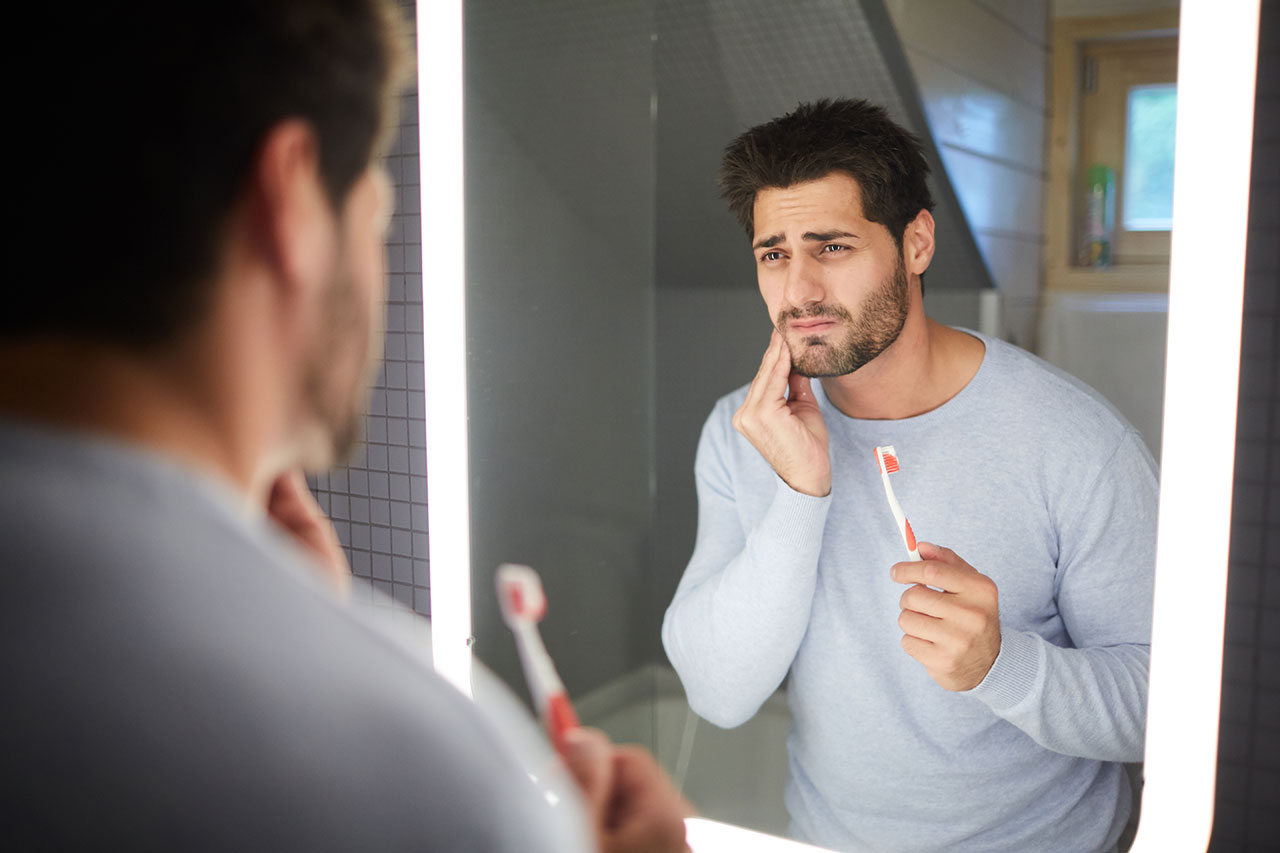
Do you sometimes wake up with a sore jaw, sensitive teeth, or a headache that seems to have no obvious explanation? While these symptoms can have several causes, nighttime teeth grinding and clenching may be contributing to your discomfort. Because these habits often happen during sleep, many people do not realize how much pressure they are placing on their teeth.
Fortunately, custom nightguards in Beachwood, OH offer a personalized way to help protect your smile from the effects of grinding and clenching. These dental appliances create a protective barrier between the upper and lower teeth, helping reduce direct tooth contact and excessive wear during sleep.
At Aspire Dental Spa, our approach to preventive dentistry includes evaluating the condition of your teeth, bite, and jaw to determine whether a custom nightguard may be appropriate. Understanding how these appliances work can help you make informed decisions about protecting your long-term dental health.
What Is Teeth Grinding and Why Does It Happen?
Teeth grinding and clenching are commonly associated with a condition called bruxism. Grinding involves moving the teeth against one another, while clenching involves holding the upper and lower teeth together with excessive force.
Bruxism can occur during waking hours or while sleeping. Some people notice themselves clenching when concentrating, working, or experiencing stress. Others grind their teeth during sleep without being aware of the activity.
Although occasional grinding may not cause significant problems, frequent or forceful grinding can place considerable pressure on the teeth and surrounding structures. Over time, this pressure may contribute to enamel wear, tooth sensitivity, damaged restorations, and muscle discomfort.
Several factors may be associated with grinding and clenching, including:
- Stress or emotional tension
- Certain sleep disturbances
- Some medications and stimulant substances
- Caffeine or alcohol consumption
- Tobacco use
- Individual neurological and muscular factors
However, bruxism does not always have one identifiable cause. Your dentist can help determine whether the condition is affecting your oral health and whether additional evaluation may be helpful.
How Can You Tell If You Grind Your Teeth?
Since nighttime grinding occurs while you are asleep, recognizing the condition can be challenging. In some cases, a family member or sleeping partner may notice grinding sounds before you experience any symptoms yourself.
Other patients discover signs of grinding during a routine dental examination. A dentist may observe unusual wear patterns, small fractures, or changes in the appearance of biting surfaces.
Possible signs of teeth grinding and clenching include:
- Flattened or worn biting surfaces
- Increased tooth sensitivity
- Chipped or cracked teeth
- Frequent damage to fillings or dental crowns
- Jaw muscle soreness upon waking
- Morning headaches or discomfort around the temples
- Tightness or fatigue in the muscles used for chewing
Nevertheless, these symptoms do not automatically mean you have bruxism. For example, headaches may arise from many different medical or dental conditions. Likewise, sensitive teeth may be associated with gum recession, enamel erosion, or tooth decay.
A comprehensive evaluation helps identify which factors may be contributing to your symptoms instead of relying on assumptions.
What Is a Custom Dental Nightguard?
A custom dental nightguard is a removable oral appliance designed to fit your individual teeth. Unlike generic guards available in stores, a professionally made nightguard is created using records of your mouth to achieve a more individualized fit.
Depending on your needs, the appliance may be designed to cover the upper or lower teeth. Different materials and thicknesses may be selected based on the amount of wear, the condition of existing restorations, and the intended treatment goals.
When worn during sleep, the nightguard separates the upper and lower teeth. This protective barrier helps reduce direct contact between tooth surfaces that might otherwise rub against each other.
However, it is important to understand that a nightguard does not necessarily stop the underlying grinding activity. Instead, its primary purpose is to help protect teeth and restorations from the mechanical effects of grinding and clenching.
Benefits of Custom Nightguards
For patients who experience frequent grinding or clenching, a professionally designed nightguard may offer several important advantages. The following benefits depend on individual circumstances, appliance design, and consistent use.
- Protection against enamel wear: A nightguard helps reduce direct tooth-to-tooth contact that can gradually wear down the protective outer surfaces of teeth.
- Support for dental restorations: Wearing a nightguard may help protect fillings, crowns, veneers, and other restorations from excessive nighttime forces.
- Personalized comfort: Custom appliances are designed around the individual shape of your teeth rather than relying on a universal fit.
- Potential reduction in muscle discomfort: Some patients experience improved jaw comfort when using an appropriately selected dental appliance.
- Reduced risk of additional tooth damage: Limiting direct grinding contact may help reduce contributing factors associated with chipping and wear.
- Professional monitoring: Your dentist can evaluate how the appliance fits and identify changes in your teeth or bite over time.
- Support for long-term dental maintenance: Protecting natural teeth and existing restorations may help preserve their function and appearance.
Although a custom nightguard can be a valuable preventive tool, it cannot guarantee that all grinding-related symptoms will disappear. Additional care may be necessary when jaw disorders, sleep conditions, or other factors contribute to discomfort.
Custom Nightguards vs. Store-Bought Mouthguards
Patients often wonder whether a nightguard purchased from a pharmacy can provide the same protection as a professionally made appliance. While both options are intended to create a barrier between teeth, their design and fit can differ considerably.
Store-bought nightguards may come in standard sizes or use a heat-moldable material that softens in warm water. These products are generally less expensive initially and may be useful in selected circumstances.
However, because they are not designed from detailed records of an individual patient’s bite, they may feel bulky, fit unevenly, or become uncomfortable during extended wear.
A custom nightguard is created specifically for your teeth. Your dentist can also evaluate how the upper and lower teeth contact the appliance and make adjustments when necessary.
Additionally, professional evaluation helps determine whether a nightguard is actually the right approach. For example, someone experiencing jaw locking or symptoms of a sleep-related breathing disorder may need further assessment before choosing an appliance.
The most appropriate option is one that addresses your specific dental needs rather than simply providing the lowest initial cost.
What Happens When You Get a Custom Nightguard?
Step 1: Comprehensive Dental Evaluation
Your dentist begins by examining your teeth, gums, and bite. Existing restorations, wear patterns, tooth sensitivity, and jaw movement may all provide useful information about your oral health.
During this appointment, discuss any symptoms you have noticed, including morning soreness, headaches, or difficulty opening your mouth comfortably.
Step 2: Impressions or Digital Records
Once a custom appliance is recommended, the dental team obtains records of your teeth. Depending on the treatment process, these may include traditional impressions or digital scans.
These records help create a nightguard that follows the shape and arrangement of your teeth.
Step 3: Appliance Fabrication
The nightguard is then fabricated using materials selected for your specific needs. Factors such as grinding intensity, restoration protection, and appliance thickness may influence the final design.
Step 4: Fitting and Adjustments
When the nightguard is ready, your dentist evaluates its fit and checks how your teeth contact the appliance. Adjustments may be made to improve comfort and function.
You will also receive instructions explaining when to wear the nightguard, how to clean it, and when to return for evaluation.
Can a Nightguard Help With TMJ Discomfort?
The temporomandibular joints, often called TMJs, connect the lower jaw to the skull. These joints work with muscles and other structures to allow speaking, chewing, and opening the mouth.
Some patients with grinding and clenching also experience symptoms associated with temporomandibular disorders, commonly called TMD. These symptoms may include jaw tenderness, clicking, headaches, or difficulty moving the jaw comfortably.
However, grinding and TMD are not identical conditions. A patient can experience bruxism without having a jaw joint disorder, while someone with TMD may have symptoms unrelated to grinding.
In selected cases, a dental appliance may be included in a treatment plan to manage symptoms and protect teeth. Aspire Dental Spa offers preventive services that include nightguards and TMJ splints, allowing patients to discuss which type of appliance may be suitable.
Because appliance designs differ, a standard nightguard should not be assumed to treat every jaw problem. Persistent pain, locking, or limited jaw movement warrants professional evaluation.
Why Protecting Existing Dental Restorations Matters
Grinding can affect more than natural enamel. Dental crowns, fillings, veneers, and other restorations may also experience repeated pressure during clenching or grinding.
Although these restorations are designed to withstand normal chewing forces, unusually heavy or repetitive loading may contribute to fractures, wear, or other complications.
For patients who have received restorative dentistry, a custom nightguard may be recommended as part of a broader maintenance plan.
Similarly, individuals who have invested in cosmetic dentistry should discuss grinding habits before and after treatment. Protecting restorations from excessive forces may help reduce preventable damage.
Regular evaluations remain important because an appliance may need adjustment after new dental work changes the shape or position of the teeth.
How to Care for Your Custom Nightguard
A clean and properly maintained nightguard is more comfortable to wear and easier to evaluate during dental appointments.
After removing your appliance in the morning, rinse it using cool or lukewarm water. Clean it according to the instructions provided by your dentist, since some cleaning products may damage certain materials.
Avoid using hot water, which may change the shape of the appliance. Additionally, do not place your nightguard in a dishwasher or expose it to excessive heat.
When the appliance is not being worn, store it in the recommended protective container. Keep the container clean and allow appropriate drying according to your dental team’s instructions.
It is also helpful to inspect the appliance regularly. If you notice cracks, worn areas, sharp edges, or changes in fit, contact your dentist.
Finally, bring your nightguard to routine dental appointments. Your dental team can examine its condition and determine whether adjustments or replacement may be needed.
Frequently Asked Questions About Custom Nightguards
Will a custom nightguard stop me from grinding my teeth?
Not necessarily. A custom nightguard primarily protects teeth from direct grinding contact. It may help manage certain symptoms, but it does not always eliminate the underlying grinding activity.
How long does a custom nightguard last?
The lifespan of a nightguard depends on its material, grinding intensity, maintenance, and changes in your teeth. Regular dental evaluations help determine when replacement is appropriate.
Should I wear my nightguard every night?
Most patients who receive a nightguard for nighttime grinding are advised to wear it consistently during sleep. Your dentist will provide instructions based on your individual treatment needs.
Can I wear a nightguard if I have dental crowns or veneers?
Yes, many patients with crowns or veneers can wear a custom nightguard. The appliance should be designed to fit their restorations and bite appropriately.
Is a dental nightguard the same as a sleep apnea appliance?
No. A nightguard is primarily designed to protect teeth from grinding, while a sleep apnea oral appliance has a different purpose and design. Suspected sleep apnea requires appropriate medical evaluation.
Protect Your Smile While You Sleep
Grinding and clenching can gradually affect your teeth without creating obvious symptoms at first. Fortunately, early evaluation and appropriate preventive care may help identify these concerns before more extensive damage develops. A custom nightguard can be one useful part of a personalized plan to protect your natural teeth, restorations, and overall oral health.
If you suspect that nighttime grinding is affecting your smile, contact Aspire Dental Spa in Beachwood, OH. Call us today at (216) 342-4388 to schedule a consultation and learn whether a custom nightguard is right for you.