
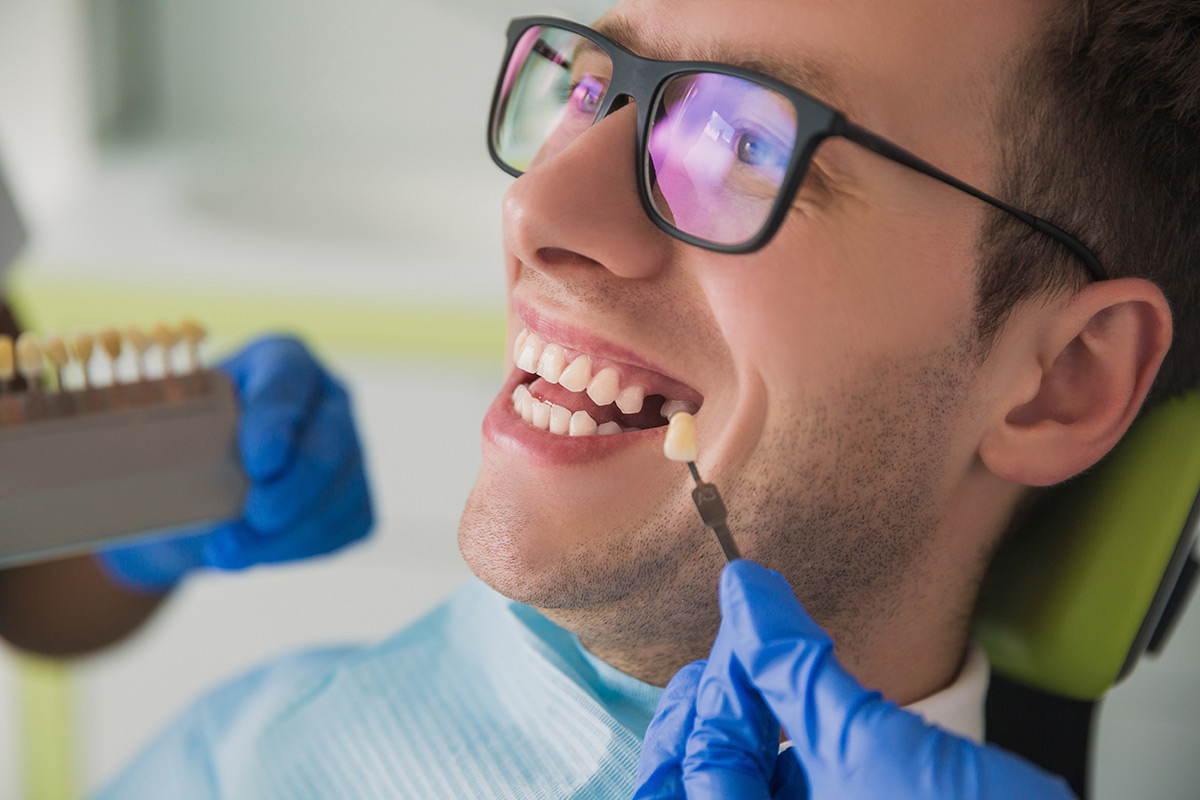
Losing a tooth can create more questions than most people expect. Should the space be replaced? Is a dental implant always the best choice? Would a bridge be faster? Are dentures only for people missing all of their teeth?
Fortunately, modern tooth replacement is not limited to one solution. Depending on how many teeth are missing, where they are located, the health of the surrounding teeth and gums, available bone, treatment goals, and personal preferences, several options may be worth considering.
At Aspire Dental Spa, restorative dentistry in Beachwood, OH includes options designed to restore missing teeth and help patients regain comfortable function. Dental implants, dental bridges, and dentures each approach tooth replacement differently. Understanding those differences can help you ask better questions during a consultation and choose an option that fits your needs.
Why Replace a Missing Tooth?
Some missing teeth are highly visible, while others are hidden near the back of the mouth. Therefore, it may be tempting to assume a tooth does not need replacement if the gap is not noticeable.
However, tooth replacement is not only about appearance.
Teeth work together when you bite, chew, and speak. Depending on the location of the missing tooth, a gap can change how you distribute chewing forces. Neighboring or opposing teeth may also shift over time in some circumstances.
Replacing a missing tooth may help restore:
- Chewing function.
- Support within the dental arch.
- Smile appearance.
- Clearer speech in certain cases.
- Confidence when eating and socializing.
That said, every missing tooth presents a different situation. Your dentist can evaluate whether replacement is recommended and which options fit your oral health.
What Are the Main Tooth Replacement Options?
Three of the most familiar approaches are dental implants, dental bridges, and dentures.
A dental implant uses an implant placed in the jaw to support a replacement tooth or larger restoration.
A dental bridge fills a gap by supporting an artificial tooth from neighboring teeth or, in some cases, implants.
A denture is a removable prosthesis designed to replace several missing teeth or an entire arch.
None of these options is universally best for every person. Instead, each has advantages, limitations, maintenance requirements, and clinical considerations.
How Dental Implants Replace Teeth
Dental implants are designed to replace the root portion of a missing tooth. A small implant is placed within the jawbone, where it can provide support for a restoration once healing and integration have occurred.
For a single missing tooth, the implant can support an individual crown. However, implants can also support bridges or full-arch restorations when several or all teeth are missing.
This versatility is one reason dental implants have become a prominent part of modern restorative dentistry.
Potential Advantages of Dental Implants
Dental implants may offer several benefits for appropriate candidates.
- They do not necessarily require the neighboring natural teeth to support a single-tooth replacement.
- They can provide stable chewing support.
- They can replace one tooth, several teeth, or support full-arch treatment.
- The visible restoration can be designed to resemble natural teeth.
- Implants are maintained as a fixed part of the mouth when used for individual crowns and many other restorations.
However, implant treatment is a process rather than a single appointment. Healing time is often required before the final restoration is completed.
Who May Be a Candidate for Dental Implants?
Implant candidacy depends on more than simply having a missing tooth.
Your dentist considers the condition of the gums, jawbone, neighboring structures, medical history, oral hygiene, and treatment goals. Digital imaging may also be used during planning.
Adequate bone is important because the implant needs stable support. If bone volume has changed after tooth loss, additional procedures may sometimes be discussed.
In addition, healthy gum tissue and excellent ongoing plaque control are essential around dental implants.
Therefore, an implant consultation is highly individualized. Someone who is an excellent candidate for one type of implant treatment may have very different needs from another patient missing the same number of teeth.
How Dental Bridges Replace Teeth
A dental bridge literally bridges the space created by one or more missing teeth.
Traditional bridges typically use teeth adjacent to the gap as supports. Those teeth receive restorations that are connected to the replacement tooth between them.
Bridges can be an effective fixed option, meaning the patient does not remove the restoration for routine cleaning. However, the design requires careful maintenance around and beneath the bridge.
When Might a Bridge Be Considered?
A bridge may be worth discussing when:
- One or more teeth are missing in the same area.
- The neighboring teeth can appropriately support the restoration.
- A fixed replacement is preferred.
- Implant treatment is not selected or appropriate.
In some cases, neighboring teeth already need crowns, which may affect the treatment discussion. In other situations, healthy untouched neighboring teeth may make an implant worth considering because implant treatment can replace a tooth without preparing those adjacent teeth for a traditional bridge.
There is no universal answer. Therefore, your dentist should evaluate the entire area before recommending one approach.
How Dentures Replace Missing Teeth
Dentures have evolved considerably, and they are not limited to replacing every tooth in the mouth.
A partial denture replaces several missing teeth while using the remaining teeth and oral structures for support. A complete denture replaces an entire arch of missing teeth.
Because dentures are removable, they differ significantly from individual implant crowns and fixed bridges.
Why Patients May Choose Dentures
Dentures can be a practical solution when multiple teeth are missing, particularly when a fixed restoration is not desired or appropriate.
Potential considerations include:
- Replacing several teeth with one prosthesis.
- Restoring an entire arch.
- Avoiding certain surgical procedures.
- Creating a removable treatment option.
- Potentially reducing complexity compared with some fixed full-arch treatments.
However, dentures require an adjustment period. They also need regular cleaning, proper handling, and professional evaluation as the mouth changes over time.
Can Dental Implants Help Stabilize Dentures?
Yes, certain dentures can be supported or retained by dental implants.
Traditional removable dentures rest primarily on the gums and underlying structures. Implant-supported options use strategically placed implants to improve stability or support.
This can be particularly appealing to patients who want greater confidence while chewing or speaking but need to replace an entire arch of teeth.
Nevertheless, implant-supported dentures and full-arch restorations are not one-size-fits-all procedures. The number and position of implants, type of final restoration, available bone, and overall oral health all require careful planning.
Dental Implant vs. Bridge: What Is the Difference?
For a single missing tooth, dental implants and bridges are often compared.
The key difference is how they obtain support.
A dental implant is supported within the jaw. A traditional bridge is supported by teeth next to the missing space.
Because of that difference, the treatment process, maintenance, timeline, and impact on adjacent teeth are not the same.
When comparing these options, consider:
- Condition of the neighboring teeth.
- Amount of available bone.
- Gum health.
- Treatment timeline.
- Maintenance requirements.
- Personal preferences.
- Overall restorative plan.
Your dentist can explain which factors matter most in your specific situation.
Dental Implants vs. Dentures: Which Is Better?
This question does not have a universal answer because implants and dentures can solve different problems.
A single dental implant may replace one tooth, while a partial denture may replace several teeth. Likewise, a full denture can replace an entire arch, while implants can also be used to support full-arch restorations.
Therefore, asking which is “better” may be less useful than asking which approach best fits your anatomy, health, number of missing teeth, lifestyle, goals, and budget.
Someone who values a fixed restoration may lean toward implant-supported treatment when clinically appropriate. Meanwhile, someone who wants a removable solution or cannot undergo implant treatment may prefer a denture.
Both can play important roles in restorative dentistry.
What Happens During a Tooth Replacement Consultation?
Your consultation begins with understanding what you want to improve.
Some patients primarily want to chew more comfortably. Others are concerned about visible gaps. Meanwhile, someone missing many teeth may want to compare removable and fixed full-arch options.
Your dental evaluation may include:
- Examination of teeth and gums.
- Review of missing-tooth spaces.
- Assessment of neighboring teeth.
- Dental imaging.
- Evaluation of bone support when relevant.
- Discussion of your medical and dental history.
- Review of treatment goals and maintenance preferences.
From there, your dentist can explain which restorative dentistry options are realistic and what each treatment would involve.
Why Gum Health Matters Before Tooth Replacement
Healthy gums are important whether you choose implants, bridges, or dentures.
For implant treatment, the tissues around the implant require excellent plaque control. For bridges, the gums and supporting teeth need to remain healthy. Meanwhile, denture wearers still require professional oral evaluations even when no natural teeth remain.
Therefore, professional dental hygiene care and consistent home care remain important parts of tooth replacement.
If gum disease is present, your dental team may recommend addressing it before or alongside restorative treatment.
What About Replacing a Tooth Immediately?
Timing varies considerably.
In some circumstances, tooth replacement planning can begin around the same time a tooth is removed. However, healing, infection, bone condition, and the selected restoration all affect the timeline.
Dental implants often involve a healing period as the implant integrates with the jawbone. Bridges may follow a different process. Meanwhile, dentures can sometimes be planned to provide replacement teeth during healing.
Because every clinical situation is different, avoid assuming that a treatment timeline you saw online will apply exactly to you.
How Do You Care for Replacement Teeth?
Every tooth replacement option requires maintenance.
Dental Implants
Brush around implant restorations carefully and clean between the teeth daily. Your hygienist may recommend specific tools for cleaning around the restoration.
Dental Bridges
In addition to normal brushing, clean underneath the replacement tooth and around the supporting teeth. Floss threaders, interdental brushes, or other tools may be useful.
Dentures
Remove and clean dentures as directed. In addition, clean your gums, tongue, and any remaining natural teeth. Attend regular dental evaluations to monitor tissue health and denture fit.
No replacement tooth is maintenance-free. Therefore, consider your willingness and ability to perform daily cleaning when comparing treatment options.
Benefits of Replacing Missing Teeth
Information from organizations such as the American Dental Association and National Institute of Dental and Craniofacial Research emphasizes the importance of maintaining oral function, treating dental disease, and caring for both natural teeth and replacement restorations.
Appropriate tooth replacement may help:
- Restore chewing function.
- Improve the appearance of a visible gap.
- Provide support within the dental arch.
- Make speech easier in some cases.
- Give patients additional confidence when eating and smiling.
However, the benefits and limitations differ by treatment. A careful restorative consultation helps ensure expectations are realistic before care begins.
Questions to Ask Before Choosing a Tooth Replacement
Before moving forward, consider asking:
- Which options are clinically appropriate for me?
- How will each option affect my neighboring teeth?
- Do I have enough bone for dental implants?
- Will the restoration be removable or fixed?
- How long does treatment usually take?
- What daily maintenance will I need?
- How frequently should the restoration be checked?
- What alternatives should I consider?
The answers can help you compare treatment based on practical considerations rather than choosing only by appearance.
Finding a Tooth Replacement That Fits Your Smile
Dental implants, bridges, and dentures can all provide valuable solutions for missing teeth. The right choice depends on much more than the number of teeth you need to replace.
Your oral health, gum condition, available bone, surrounding teeth, functional needs, treatment timeline, and personal preferences all contribute to the decision.
For one patient, a dental implant may provide an excellent stand-alone replacement. For another, a bridge may fit naturally into a broader restorative plan. Meanwhile, partial, complete, or implant-supported dentures can offer effective options when multiple teeth are missing.
If you are comparing tooth replacement options in Beachwood, OH, Aspire Dental Spa can help you understand the differences and build a personalized restorative plan. Book an appointment or call 216-342-4388 to discuss dental implants, bridges, dentures, and other options for rebuilding your smile.