Considering dental implants but wondering what the process actually involves? The idea of replacing a missing tooth can feel like a major decision, especially when you are trying to understand appointments, healing time, costs, and what the final result may feel like. Fortunately, dental implant treatment is typically completed in carefully planned stages, allowing your dental team to focus on creating a stable foundation before placing the final replacement tooth.
For patients exploring dental implants in Beachwood, OH, understanding the process ahead of time can make treatment feel much more manageable. Dental implants are designed to replace missing tooth roots and support crowns, bridges, or other restorations. However, every implant plan is personalized because bone structure, gum health, the number of missing teeth, and overall oral health can vary significantly from one patient to another.
At Aspire Dental Spa, dental implant treatment begins with a comprehensive evaluation. From there, the process may include digital planning, implant placement, a healing period, and placement of the final restoration. Knowing what happens at each stage can help you prepare for treatment and make informed decisions about rebuilding your smile.
What Exactly Is a Dental Implant?
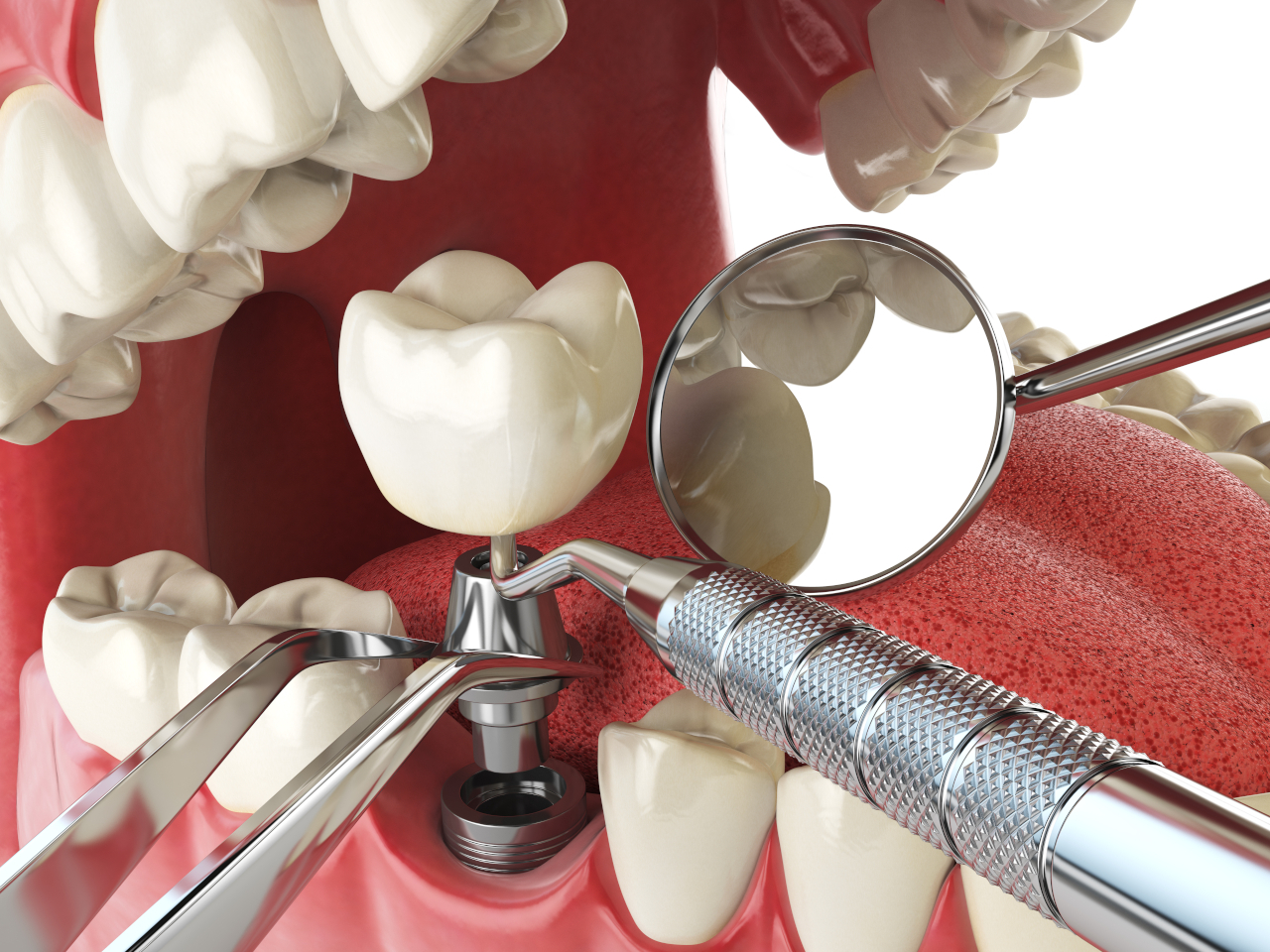
A dental implant is a small fixture placed within the jawbone to replace the root portion of a missing tooth. After the implant heals and becomes stable, it can support a custom dental restoration above the gumline.
When replacing a single tooth, the implant typically supports an individual crown. However, dental implants can also support bridges when several neighboring teeth are missing. In addition, strategically positioned implants may be used to stabilize certain full-arch tooth replacement options.
This versatility is one reason dental implants in Beachwood, OH may be considered for many different patterns of tooth loss.
Importantly, the dental implant itself is only one part of the completed tooth replacement. The implant provides the foundation, while the visible restoration is designed to recreate the shape and appearance of the missing tooth or teeth.
Why Patients Consider Dental Implants
Missing teeth can affect more than appearance. Depending on their location, they may influence chewing, speech, bite balance, and the way nearby teeth function. Therefore, replacing a missing tooth may help restore both everyday function and the continuity of the dental arch.
Dental implants are often considered because they provide support without necessarily relying on adjacent natural teeth for a single-tooth replacement.
Potential benefits of dental implants may include:
- Replacing one or more missing teeth.
- Providing stable support for a dental restoration.
- Restoring biting and chewing function.
- Creating a natural-looking replacement tooth.
- Avoiding preparation of neighboring teeth in some single-tooth cases.
- Supporting certain implant-retained dentures or full-arch restorations.
However, dental implants are not automatically the best solution for every person. A consultation is necessary to determine whether implants, a bridge, dentures, or another restorative option fits your needs.
Step One: Your Dental Implant Consultation
The first step toward dental implants in Beachwood, OH is a detailed consultation. This appointment gives your dentist an opportunity to evaluate your mouth and gives you an opportunity to explain what you hope to accomplish.
Your dentist may review:
- The location and number of missing teeth.
- The health of your gums.
- Your remaining natural teeth.
- The amount and quality of available bone.
- Your bite and chewing patterns.
- Your dental and medical history.
- Previous dental work.
- Your preferences for fixed or removable tooth replacement.
Dental imaging may also be used to evaluate structures beneath the gums and help plan implant positioning. Because implant placement is highly dependent on anatomy, detailed planning is an important part of creating a predictable treatment approach.
Why Gum Health Matters Before Implant Treatment
Healthy gums play an important role in implant treatment. Although an implant cannot develop a cavity, the tissues surrounding it still require excellent plaque control and professional monitoring.
If active gum disease or significant inflammation is present, your dentist may recommend addressing those concerns before moving forward with dental implant placement.
Professional dental hygiene care can therefore be an important part of preparing for and maintaining dental implants. Your hygienist can help remove buildup, monitor gum condition, and recommend cleaning techniques for both natural teeth and implant restorations.
In addition, maintaining healthy gums after treatment can help support the long-term stability of the tissues surrounding your implant.
What About Bone Loss?
The jawbone provides the foundation for a dental implant. Therefore, adequate bone is necessary for implant placement.
After a tooth is lost, the bone in that area may gradually change because it is no longer receiving the same stimulation that occurred around the natural tooth root. The amount of change differs from person to person and can depend on how long the tooth has been missing, the reason it was lost, and other individual factors.
If there is not enough bone for predictable implant placement, your dentist may discuss whether additional procedures are appropriate. However, not everyone needs bone grafting.
That decision can only be made after evaluating your anatomy and imaging.
Step Two: Planning the Implant Position
Dental implant treatment is not simply about filling an empty space. The implant must be positioned so the final restoration can function comfortably and fit naturally within your smile.
Therefore, planning considers both the surgical foundation and the final tooth.
Your dental team may evaluate:
- Bone height and width.
- Available space between neighboring teeth.
- The location of important anatomical structures.
- Your bite.
- The expected shape of the final crown or restoration.
- The relationship between the implant and gumline.
This planning stage is particularly important when several implants are being used together. In those cases, implant position must support the broader restorative plan.
Step Three: Dental Implant Placement
During implant placement, the implant fixture is carefully positioned within the jawbone according to the treatment plan.
Patients often assume that implant placement will feel dramatically different from other dental procedures. However, the area is appropriately numbed during treatment, and comfort is an important part of the process.
After placement, the site begins healing. Your dentist will provide specific instructions regarding oral hygiene, food choices, and how to care for the area during the initial healing period.
Every patient responds differently, so follow the instructions provided specifically for your treatment rather than relying on a generic online timeline.
What Is Osseointegration?
One important feature of dental implant treatment is a process called osseointegration. During this healing phase, the surrounding bone forms a stable connection with the implant surface.
This does not happen instantly. Therefore, many implant cases involve a period between implant placement and delivery of the final restoration.
The length of that healing period varies. Bone quality, implant location, the type of restoration planned, and individual healing all influence treatment timing.
Although waiting can sometimes feel inconvenient, this stage creates the stable foundation needed for the restoration above it.
Will You Have a Tooth During the Healing Period?
This depends on the location of the missing tooth and your treatment plan.
In some situations, a temporary tooth or provisional restoration may be possible. In others, the implant may be left to heal without immediately supporting the final replacement tooth.
Full-arch implant cases may follow yet another protocol.
Therefore, patients considering dental implants in Beachwood, OH should ask early in the planning process what they can expect during healing. Understanding whether a temporary option will be used can make it easier to plan work, social events, and everyday activities.
Step Four: Creating the Final Restoration
Once the implant is ready to support a restoration, the final tooth or teeth can be designed.
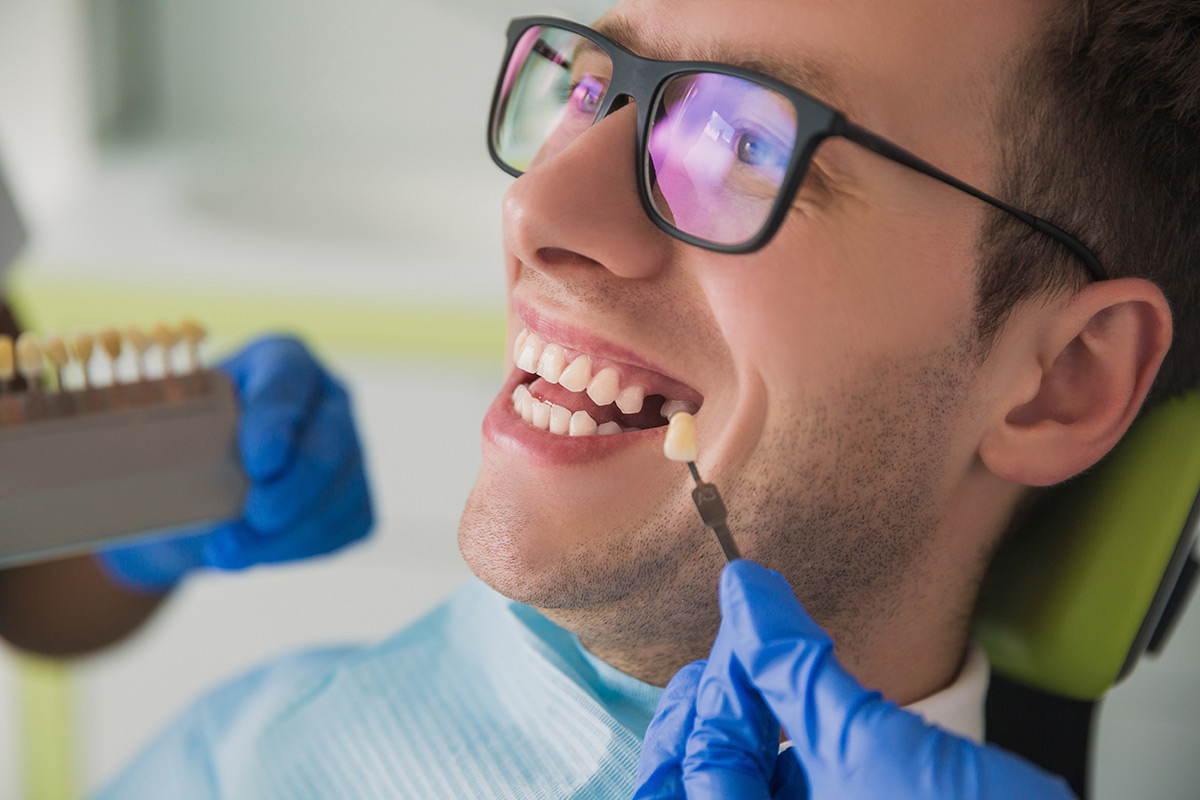
For a single implant, this usually involves creating a crown that fits the space and complements the surrounding teeth. Shape, size, bite relationship, and color may all be considered.
For multiple missing teeth, the final restoration may be an implant-supported bridge or another prosthetic design.
The goal is not simply to fill the gap. Instead, modern restorative dentistry considers function, appearance, comfort, and maintainability together.
What Does a Dental Implant Feel Like After Treatment?
Once treatment is complete and the tissues are healthy, an implant-supported tooth is intended to function as a stable part of your bite.
However, an implant does not have exactly the same anatomy as a natural tooth. A natural tooth contains a root surrounded by specialized tissues, while an implant is supported differently within the bone.
For that reason, cleaning and professional monitoring remain essential even when an implant feels completely comfortable.
Most importantly, do not assume that the absence of pain means an implant never needs to be checked. Regular dental examinations help your team evaluate the restoration, surrounding gums, bite, and neighboring teeth.
How Do You Clean Dental Implants?
Dental implants require daily plaque removal just like natural teeth.
Brush thoroughly at least twice each day using a technique recommended by your dental team. In addition, clean around and between implant restorations every day.
Depending on the design of your restoration, your hygienist may recommend:
- Dental floss.
- Floss threaders.
- Interdental brushes.
- Water flossing devices.
- Other implant-specific cleaning tools.
If you have an implant-supported bridge or larger restoration, cleaning beneath the prosthesis may require additional attention.
Professional dental hygiene visits are also important because your dental team can evaluate areas that may be difficult to see at home.
Can Dental Implants Get Cavities?
The implant fixture and artificial crown cannot develop tooth decay in the same way natural enamel can. However, that does not make implant restorations maintenance-free.
The gums and bone around the implant can still become inflamed if plaque accumulates. Furthermore, neighboring natural teeth remain susceptible to cavities and gum disease.
Therefore, good home care continues to protect the entire mouth, not only the implant.
Maintaining routine preventative dental care allows your dentist and hygienist to monitor the implant alongside your natural teeth.
What Can Affect the Longevity of Dental Implants?
Dental implants are designed to be a durable tooth replacement option, but their long-term success depends on multiple factors.
Important considerations include:
- Daily oral hygiene.
- Gum health.
- Regular professional dental visits.
- Bone support.
- Bite forces.
- Clenching or grinding habits.
- General health factors.
- Care of the restoration attached to the implant.
The implant fixture and the restoration above it should also be thought of separately. Even when an implant remains stable, the crown or prosthetic component may eventually require maintenance because it experiences normal chewing forces over time.
What If You Grind or Clench Your Teeth?
Grinding and clenching can place significant pressure on both natural teeth and dental restorations. Therefore, tell your dentist if you frequently wake with jaw tightness, notice flattened or chipped teeth, or know that you grind while sleeping.
Depending on your situation, your dentist may evaluate your bite and discuss protective options.
Addressing excessive forces can be especially important when planning restorative dentistry because implants do not have exactly the same shock-absorbing structures as natural teeth.
Benefits of Dental Implant Treatment
Trusted dental guidance from organizations such as the American Dental Association and peer-reviewed dental research recognizes implant-supported restorations as an established option for replacing missing teeth when patients are appropriately evaluated and treatment is carefully planned.
For suitable candidates, dental implants may help:
- Replace individual missing teeth.
- Support fixed bridges.
- Improve the stability of certain dentures.
- Restore comfortable chewing.
- Create natural-looking tooth replacement.
- Avoid relying on neighboring teeth for support in certain cases.
However, the most important benefit is not simply choosing an implant. It is choosing a tooth replacement plan that fits your health, anatomy, and long-term needs.
Questions to Ask Before Getting Dental Implants
If you are considering dental implants in Beachwood, OH, bring questions to your consultation. Understanding the process before treatment can help you feel more prepared.
You may want to ask:
- Am I a good candidate for an implant?
- Do I have enough bone in the area?
- Will I need any preliminary treatment?
- What type of temporary tooth will I have during healing?
- How long might my treatment process take?
- What kind of final restoration will the implant support?
- How should I clean the area afterward?
- What alternatives should I consider?
There may be more than one reasonable way to replace a missing tooth. Therefore, use the consultation to compare dental implants with bridges, dentures, or other restorative solutions when appropriate.
Start With a Personalized Dental Implant Plan
Dental implant treatment is best understood as a carefully planned process rather than a single procedure. Consultation, imaging, implant placement, healing, restorative design, and long-term maintenance all work together to create the final result.
Although online information can help you understand the basics, your timeline and treatment needs will depend on your own mouth. Bone support, gum health, missing-tooth location, bite forces, and restorative goals all influence the plan.
If you are considering dental implants in Beachwood, OH, Aspire Dental Spa can help you explore your tooth replacement options and determine whether implant treatment fits your needs. Book an appointment or call 216-342-4388 to schedule your dental implant consultation.