
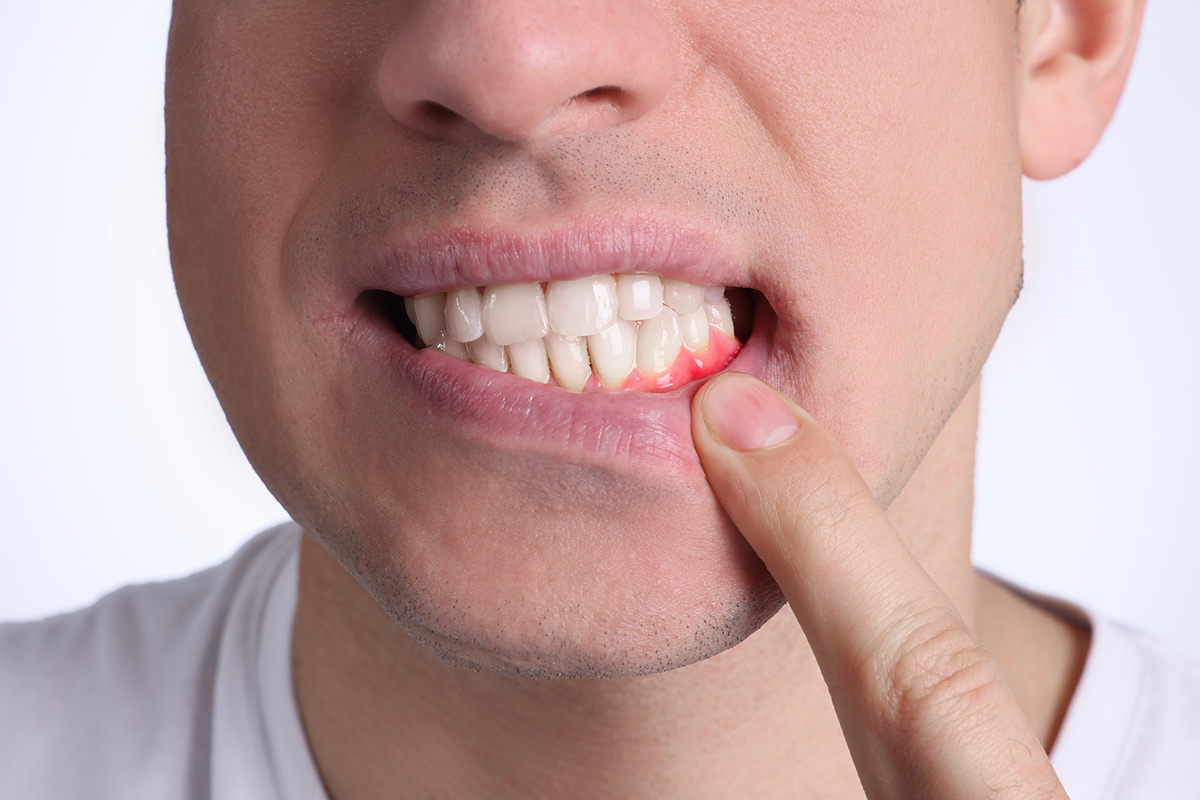
Have you ever noticed a little pink in the sink after brushing or flossing and wondered whether it was normal? Bleeding gums are common enough that they can be easy to dismiss. However, gums generally should not bleed regularly during gentle brushing and flossing. When they do, they may be signaling inflammation, plaque buildup, changes in your home-care routine, or another issue that deserves attention.
The good news is that noticing bleeding does not automatically mean you have a serious dental problem. Instead, it is a reason to pay closer attention to your gum health and consider whether you are due for professional dental hygiene care.
At Aspire Dental Spa, dental hygiene in Beachwood, OH focuses on more than making teeth feel smooth after a cleaning. Hygiene visits help the dental team evaluate the gums, remove buildup that cannot be effectively cleared at home, monitor changes, and give patients practical guidance for maintaining a healthier mouth.
Why Healthy Gums Matter
Your gums have an important job. They surround and help support your teeth while creating a protective seal around the areas where the teeth emerge from the jaw. Therefore, keeping gums healthy is an essential part of protecting the entire smile.
Gum problems often develop gradually. In the early stages, you may notice mild bleeding, tenderness, redness, or puffiness. However, some people experience very few obvious symptoms. That is one reason routine dental hygiene visits matter even when everything feels comfortable.
During a professional hygiene appointment, your dental team can look for signs that are difficult to evaluate at home. They may measure areas around the teeth, examine the condition of the gums, evaluate buildup, and determine whether routine cleaning is appropriate or whether more focused periodontal care may be beneficial.
Why Do Gums Bleed?
There is no single reason for every case of bleeding gums. However, plaque-related inflammation is one of the most common causes.
Plaque is a sticky film containing bacteria that continually forms on teeth. Brushing and cleaning between the teeth help disturb and remove that film. When plaque remains around the gumline, the gums may become irritated and inflamed. As a result, they can bleed more easily.
Bleeding may also occur when someone has recently begun flossing after not doing so consistently. Inflamed gums can initially bleed when plaque is disturbed. Nevertheless, persistent bleeding should not simply be accepted as part of flossing.
Other factors may contribute as well. Therefore, if bleeding continues, becomes heavier, or occurs alongside swelling, discomfort, bad breath, gum recession, or loose teeth, a dental evaluation is important.
Is Bleeding After Flossing Normal?
Many people stop flossing when they see blood because they assume the floss is harming their gums. In reality, bleeding can sometimes happen because the gum tissue is already inflamed.
The key is technique. Floss should be guided gently between the teeth and curved around each tooth rather than snapped forcefully into the gum tissue. When used correctly, floss or another suitable interdental cleaner helps remove plaque from areas a toothbrush cannot easily reach.
If you have recently restarted flossing, mild bleeding may improve as inflammation decreases and your technique becomes more consistent. However, bleeding that continues should be discussed with your dental team.
In addition, not everyone finds traditional string floss easy to use. Depending on your teeth, restorations, spacing, and dexterity, your hygienist may recommend floss holders, interdental brushes, water flossers, or another method. The best tool is one that safely cleans the spaces between your teeth and that you can use consistently.
What Is Gingivitis?
Gingivitis is inflammation of the gums, often associated with plaque buildup along the gumline. Common signs can include redness, swelling, tenderness, or bleeding during brushing and flossing.
Because gingivitis can be relatively mild, many people do not realize they have it. Fortunately, early gum inflammation can often improve with professional dental hygiene care combined with consistent home care.
However, ignoring ongoing inflammation can allow the problem to progress in some individuals. That is why bleeding gums are worth taking seriously even when they are not painful.
Routine preventative dentistry gives your dental team the opportunity to identify early changes and help you adjust your daily routine before problems become more difficult to manage.
What Is Periodontal Disease?
Periodontal disease, commonly called gum disease, refers to a more advanced condition affecting the tissues that support the teeth. While gingivitis involves inflammation of the gums, periodontitis can involve deeper structures around the teeth.
As gum disease progresses, spaces around the teeth may deepen and become more difficult to keep clean. Bone support can also be affected. Because these changes may occur without dramatic pain, professional monitoring is especially important.
Signs that may occur with periodontal problems include:
- Bleeding gums.
- Persistent gum swelling or redness.
- Gums that appear to pull away from the teeth.
- Ongoing bad breath.
- Changes in tooth spacing.
- Loose or shifting teeth.
- Discomfort when chewing.
These symptoms do not confirm a diagnosis on their own. Nevertheless, they are good reasons to schedule a dental evaluation rather than waiting for the problem to become uncomfortable.
Why Professional Dental Cleanings Are Different From Brushing at Home
Excellent home care is essential, but professional dental hygiene serves a different purpose.
Once plaque mineralizes into hardened tartar, also known as calculus, it cannot usually be removed effectively with a normal toothbrush or floss. Dental professionals use specialized instruments to carefully remove these deposits from the teeth.
In addition, hygiene visits provide an opportunity to evaluate areas you cannot easily see, including the back surfaces of teeth and the gumline around restorations.
Professional cleanings may include:
- Removal of plaque and hardened deposits.
- Polishing to remove certain surface stains and remaining debris.
- Evaluation of gum condition.
- Review of brushing and interdental-cleaning techniques.
- Discussion of sensitivity, bleeding, or other concerns.
- Preventive services when appropriate.
Therefore, dental hygiene appointments work together with home care rather than replacing it.
Routine Cleaning vs. Deep Cleaning
Not every patient needs the same type of cleaning.
A routine cleaning is generally appropriate when the gums and supporting structures are healthy enough for standard preventive care. However, when gum disease is present, a deeper form of periodontal treatment may be recommended.
Scaling and root planing, sometimes called a deep cleaning, focuses on removing bacterial deposits from beneath the gumline and around root surfaces. The treatment is different from simply spending extra time during a routine cleaning.
After periodontal treatment, some patients benefit from more frequent periodontal maintenance visits. Aspire Dental Spa notes that patients requiring periodontal maintenance may be seen on a schedule designed to keep gum health stable and monitor areas of concern. :contentReference[oaicite:2]{index=2}
Your dental team can explain which type of hygiene visit is appropriate based on the condition of your gums.
What Can You Do at Home for Bleeding Gums?
If your gums bleed, improving daily plaque removal is usually an important part of the solution. However, home care should be thorough rather than aggressive.
Brush Twice a Day
Use a soft-bristled toothbrush and fluoride toothpaste. Position the brush so the bristles clean along the gumline, and use gentle pressure. Scrubbing harder does not necessarily remove more plaque and can irritate the gums.
Clean Between Your Teeth Every Day
A toothbrush cannot fully clean the contact areas between neighboring teeth. Therefore, use floss or another interdental cleaning method that works for your mouth.
Do Not Ignore Areas That Bleed
Unless your dental team has told you otherwise, bleeding is generally not a reason to avoid cleaning an area. Instead, use gentle technique and schedule an evaluation if the bleeding continues.
Replace Worn Toothbrushes
Frayed bristles become less effective. In addition, an old toothbrush may encourage you to apply unnecessary pressure.
Keep Regular Dental Hygiene Visits
Professional appointments allow your hygienist to remove hardened buildup and track changes that home care cannot address by itself.
Can Gum Health Affect Dental Restorations?
Yes. Healthy gums provide an important foundation around crowns, bridges, implants, and natural teeth.
For example, plaque can collect around the edges of a crown just as it can around an untreated tooth. Similarly, the tissues around dental implants require ongoing cleaning and professional monitoring.
If you have undergone restorative dentistry, maintaining good dental hygiene helps protect both the restoration and the surrounding natural structures.
Therefore, completing restorative treatment is not the end of the process. Long-term success also depends on preventive care, appropriate home cleaning, and monitoring.
What If Your Gums Do Not Hurt?
One of the most important things to understand about gum health is that pain is not a reliable early warning system.
People sometimes assume that because their gums do not hurt, there cannot be a problem. However, gum inflammation and periodontal disease can develop with relatively little discomfort.
That makes visible signs such as bleeding, puffiness, recession, or persistent bad breath especially useful clues. It also explains why regular dental examinations matter even when you feel completely comfortable.
Instead of waiting for pain, preventive dental hygiene is designed to identify changes earlier and help you stay ahead of them.
How Often Should You Have a Dental Cleaning?
There is no perfect schedule that applies to every person.
Many patients are familiar with the idea of visiting the dentist approximately every six months. However, the appropriate interval depends on individual oral health, gum condition, buildup patterns, medical considerations, and history of dental disease.
Some patients may do well with a standard preventive schedule. Meanwhile, someone being treated for periodontal disease may need more frequent maintenance.
Therefore, rather than choosing an interval based solely on a calendar, follow the schedule recommended after your dental team evaluates your mouth.
Benefits of Consistent Dental Hygiene
Guidance from organizations including the American Dental Association, Centers for Disease Control and Prevention, and National Institute of Dental and Craniofacial Research consistently supports daily plaque control, professional dental care, and early attention to signs of gum disease.
Consistent dental hygiene may help:
- Remove plaque and hardened deposits.
- Reduce gum inflammation.
- Identify early changes in the mouth.
- Support fresh breath.
- Protect the tissues surrounding teeth.
- Maintain restorations and dental implants.
- Provide personalized guidance for home care.
Perhaps most importantly, routine care gives you information. Instead of guessing whether bleeding gums are significant, you can have the tissues evaluated and learn what your mouth actually needs.
When Should You Schedule an Appointment?
Consider contacting your dentist if gum bleeding happens frequently, continues despite improved home care, or occurs with other changes.
You should also seek professional guidance if you notice:
- Persistent gum swelling.
- Gum recession.
- Loose teeth.
- A change in your bite.
- Persistent bad breath.
- Pus or unusual drainage around a tooth.
- Significant discomfort.
Furthermore, you do not need to wait for symptoms before scheduling a hygiene visit. Preventive care is most useful when it happens consistently.
Give Your Gums the Attention They Deserve
Bleeding gums are easy to overlook because they may seem minor and often do not hurt. However, recurring bleeding is worth understanding. In many cases, it is a sign that plaque-related inflammation or another gum-health concern needs attention.
With professional dental hygiene, consistent brushing, daily interdental cleaning, and an individualized preventive schedule, you can give your gums the support they need.
If you have noticed bleeding gums or are due for your next dental hygiene visit, Aspire Dental Spa welcomes patients seeking dental hygiene in Beachwood, OH. Book an appointment online or call 216-342-4388 to take the next step toward a healthier smile.